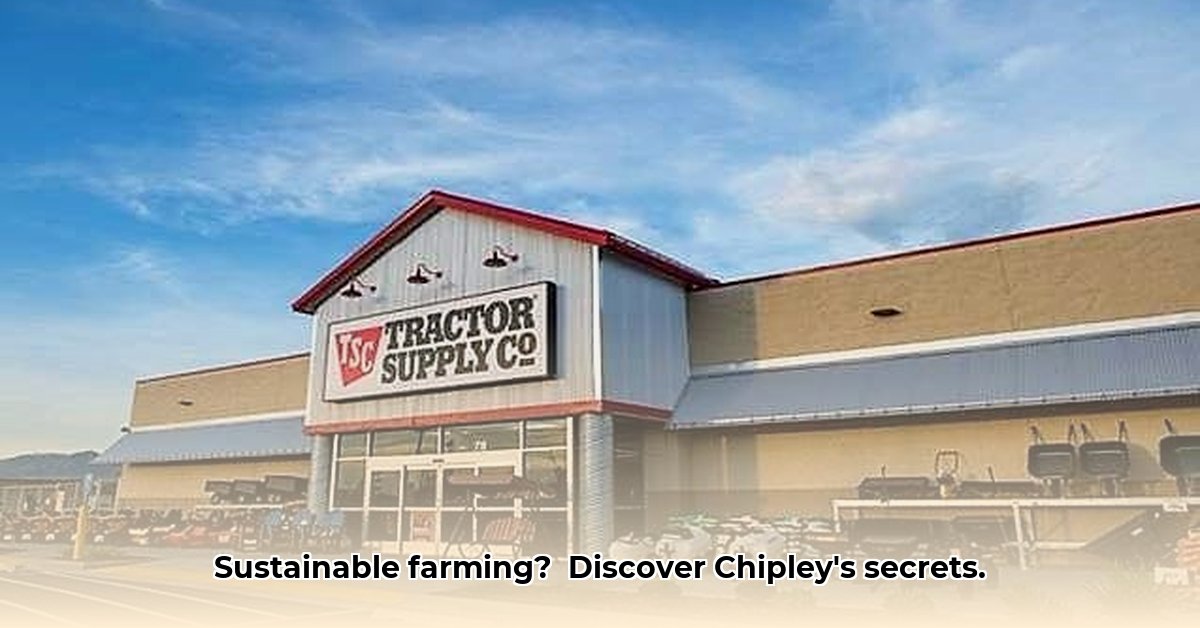
Chipley Tractor Supply serves as a vital resource for local farmers and gardeners, providing essential tools and supplies. However, its contribution to sustainable agriculture practices requires closer examination. This article investigates the current state of sustainable farming options at Chipley Tractor Supply, identifies key challenges and opportunities, and proposes actionable steps for a more environmentally conscious future. This involves collaborative efforts between the store, local farmers, the community, and environmental organizations. For more information on sustainable farming technologies, check out these grow lights.
Understanding the Current Landscape at Chipley Tractor Supply
Chipley Tractor Supply offers unparalleled convenience, serving as a one-stop shop for farmers' needs, from seeds to tractors. This accessibility is crucial, particularly for smaller farms. However, the dominant presence of conventional farming products presents a significant limitation. The majority of the store's inventory caters to traditional methods, often neglecting the growing demand and necessity for sustainable agricultural practices. While this addresses the current needs of many farmers, it fails to adequately support the increasing interest in eco-friendly alternatives like organic seeds and bio-fertilizers. This is a common trend nationally, but a critical one to address in Chipley. How can we ensure local farmers have the necessary tools to make sustainable choices?
Challenges and Opportunities for Sustainable Change in Chipley
Several obstacles hinder widespread adoption of sustainable methods in Chipley. The high upfront cost of organic products and sustainable inputs presents a considerable financial burden, especially for farmers operating on tight margins. Furthermore, a lack of awareness and education regarding available sustainable alternatives and their effective implementation poses a substantial challenge. Many farmers are unsure how to integrate these practices into their operations.
These challenges, however, also represent significant opportunities for growth and improvement. Chipley Tractor Supply is uniquely positioned to spearhead sustainable agriculture in the region. By actively promoting and supporting eco-friendly options, the store can meet evolving customer demands, enhance its community standing, and contribute to ecological preservation. This could lead to increased customer loyalty, attract environmentally conscious consumers, and bolster the store's reputation as a responsible corporate citizen. What steps can be taken to increase awareness and bridge this knowledge gap?
A Roadmap for Sustainable Farming in Chipley: Actionable Steps
Achieving a sustainable agricultural future in Chipley necessitates a collaborative effort among stakeholders. This plan outlines concrete steps:
For Chipley Tractor Supply:
Expand Sustainable Product Inventory: Significantly increase the range of organic and eco-friendly products, including organic seeds, bio-fertilizers, and natural pest control solutions. Conduct thorough market research to identify specific community demands. This will directly address the current lack of readily available options.
Invest in Educational Initiatives: Organize workshops and seminars on sustainable practices, led by local experts and experienced sustainable farmers. Supplement these in-person events with online resources and informative materials. This targeted education will equip farmers with the knowledge they need to make informed choices.
Partner with Local Sustainable Farms: Collaborate with nearby sustainable farms to source products directly, supporting local businesses while enhancing the store's sustainable product offerings. This builds community relationships and promotes local economies.
For Local Farmers:
Actively Explore Sustainable Practices: Investigate sustainable farming methods despite higher initial costs. The long-term benefits—environmental stewardship, potential cost savings (in some cases), and access to potentially higher-value markets—outweigh the initial investment.
Take Advantage of Educational Opportunities: Participate actively in workshops, seminars, and online resources provided by Chipley Tractor Supply and other relevant organizations.
For the Chipley Community:
Support Local and Sustainable Businesses: Actively purchase sustainable products from Chipley Tractor Supply and patronize local farmers employing sustainable practices.
Communicate Demand for Sustainable Options: Inform Chipley Tractor Supply of your interest in sustainable products and share feedback.
For Environmental Groups:
Collaborate with Chipley Tractor Supply and Farmers: Partner to develop impactful public awareness campaigns, educational materials, and collaborative projects to showcase successful sustainability initiatives.
Track and Document Environmental Impact: Collect data on the effects of sustainable practices to quantify their positive environmental impact.
Looking Forward: Building a Sustainable Future in Chipley
The transformation of Chipley Tractor Supply into a sustainability leader will require a long-term commitment. However, the anticipated benefits—environmental preservation, economic growth for local farmers, and a healthier community—are invaluable. This is not solely about profit maximization; it's about securing the future of the Chipley community. Further research into the specific needs of Chipley farmers and ongoing monitoring of these initiatives are critical for long-term success. The collaborative approach outlined here is key to achieving a genuinely sustainable and prosperous agricultural future for Chipley, setting an example for similar rural communities nationwide.